Traditional Triple Net Lease (NNN) favorites like pharmacies, quick-service restaurants, and dollar stores continue delivering predictable cash flows, but 2026 investment opportunities increasingly reflect two forces: demographic aging and technological acceleration. Over one billion people worldwide now exceed age 60, while AI infrastructure investment is expected to approach $3 trillion by 2030. These trends mean investing in NNN properties today requires considering healthcare facilities accessible to individual investors and technology infrastructure spanning cell tower sites to institutional-scale data centers.
Below, SVN® International walks you through what is driving these NNN trends in 2026 and what to consider as you deliberate on taking advantage of the opportunities presented.
What Connects Healthcare and Technology Infrastructure
Both sectors share characteristics, making them compelling despite serving different investment scales.
Mission-Critical Services Create Recession Resistance: Healthcare and technology infrastructure stand out as particularly resilient because they serve essential rather than discretionary needs. People require medical care regardless of economic conditions, while data centers, cell towers, and edge facilities power communications, financial systems, and AI applications, or economies that cannot be reduced during downturns.
Specialized Buildouts Generate Tenant Commitment: Healthcare facilities require exam rooms, imaging equipment, laboratory spaces, and medical-grade systems costing millions. Data centers need massive power infrastructure, sophisticated cooling, and redundant connectivity. These capital-intensive improvements make relocation economically prohibitive, creating “stickiness” that protects investors from vacancy risk conventional retail faces.
Strong Credit Profiles Reduce Risk: Healthcare tenants include hospital systems, urgent care networks, and pharmacy chains with investment-grade ratings. Technology tenants feature hyperscalers like Google and Microsoft (rated AA+) and major telecommunications providers. This credit quality exceeds traditional retail NNN properties.
Long Leases With Escalations: Both sectors feature 10-25 year terms as tenants amortize specialized investments across extended periods. Annual escalations (1-3% fixed or CPI-indexed) provide inflation protection while creating predictable cash flows resembling bonds with growth components.
Healthcare NNN: Individual Investor Opportunities
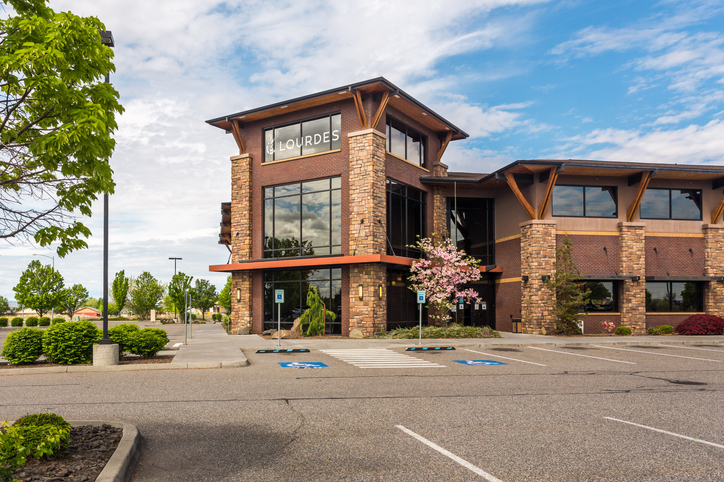
Healthcare properties offer accessible entry points for individual investors through urgent care clinics, medical office buildings, and specialty facilities.
Demographic Tailwinds: The aging population drives higher healthcare demand as the 65-and-older segment expands rapidly. This cohort requires more urgent care, specialist consultations, diagnostic imaging, and outpatient procedures, creating multi-decade structural demand independent of economic cycles.
Healthcare-Specific Advantages: Urgent care centers feature 10-15 year leases with $2-5 million property values accessible through direct ownership or 1031 exchanges. Medical office buildings adjacent to hospitals benefit from patient relationships, creating retention beyond retail patterns. Specialty facilities like dialysis and imaging centers require equipment costing millions installed specifically for locations. Dialysis patients visit multiple times per month, while imaging centers invest in MRI and CT scanners that make relocation exceptionally costly.
Investment Accessibility: Unlike technology infrastructure, where individual opportunities are limited, healthcare properties exist across scales manageable for individual investors and family offices. Regional providers in secondary markets create opportunities where local knowledge provides sourcing advantages. Understanding the pros and pitfalls of NNN investments remains essential as tenant financial health and lease structures still materially affect outcomes.
Technology Infrastructure: Individual to Institutional Scale
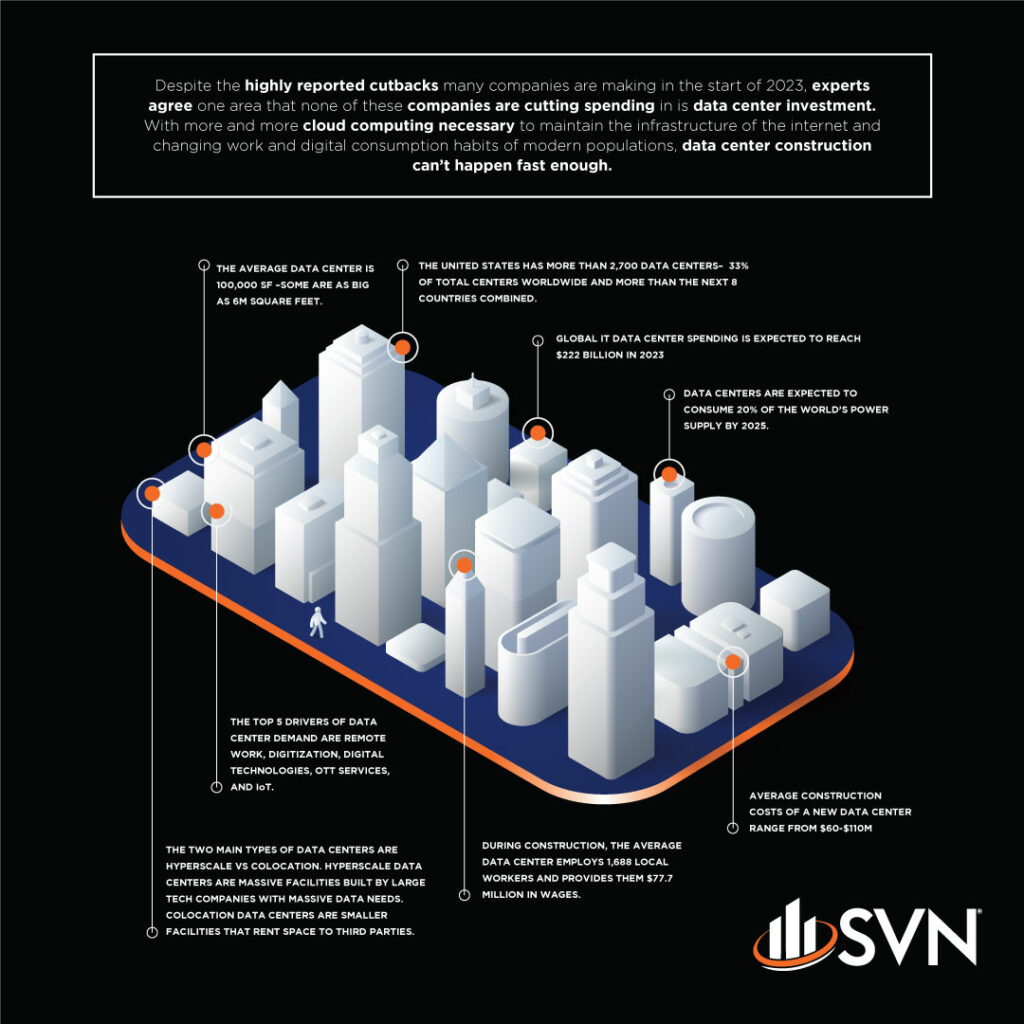
Technology infrastructure spans wider investment scales, from cell tower ground leases accessible to smaller investors through established structures, to hyperscale campuses representing institutional commitments.
AI and Edge Computing Drivers:AI inference workloads serving end users require geographically distributed facilities near population centers for low-latency responses, creating opportunities from hyperscale regional data centers to smaller edge facilities supporting autonomous vehicles and smart city applications.
Triple net structures have become standard for data center development as tenants must control sophisticated power systems, cooling technologies, and networking equipment that landlords cannot practically maintain.
Investment Scales: Individual investors access cell tower ground leases providing stable income from AT&T, Verizon, and T-Mobile through 20-30 year terms without requiring technology expertise. Small cell and distributed antenna systems supporting 5G create additional ground lease opportunities as carriers densify coverage.
Institutional opportunities include hyperscale data centers with 15-year NNN leases valued in billions backed by companies like Google, requiring hundreds of megawatts and costing hundreds of millions to construct. Edge computing facilities serving regional AI workloads fall between cell towers and hyperscale campuses, with 10-20 year terms and “hell-or-high-water” payment provisions.
Investors must match capital scale and expertise to appropriate asset types rather than treating technology infrastructure as monolithic.
SVN’s Advisory Approach Serves Investing in NNN Properties
Healthcare requires understanding local demographics, competitive provider landscapes, and regulatory environments. Technology infrastructure involves assessing power grid capacity, fiber connectivity, and tenant technical requirements not immediately obvious.
SVN’s collaborative network across 225+ offices provides market intelligence as opportunities develop. Healthcare specialists understand demographic trends and regulatory factors, while technology advisors track data center developments and telecommunications investments. The advisory value lies in matching investor sophistication and capital scale to appropriate opportunities. Individual investors benefit from guidance on medical provider financial health and lease structure nuances, while institutional capital requires expertise around data center operations and technology trends affecting obsolescence risk.
Not every emerging sector suits every investor profile. Evolving valuation approaches for specialized properties add complexity that experienced guidance navigates effectively.
Positioning Portfolios for Structural Trends
Traditional NNN sectors remain solid foundations, while healthcare and technology infrastructure represent evolution rather than replacement. Demographics and AI create long-term structural demand extending beyond economic cycles. Common characteristics — essential services, long leases, specialized facilities, strong credit — make both compelling despite accessibility differences.Understanding how demographic trends and technological forces create sustainable demand improves decision-making, whether evaluating urgent care facilities or institutional technology infrastructure.
Connect with SVN’s NNN specialists to discuss how these opportunities align with your investment objectives.